You’re on-call. A production alert starts paging and you jump between 15 tabs, three folders, and a stack trace while your editor layout collapses into noise. This piece is not about basics. It’s about reducing interruptions: fewer context switches, less mouse travel, and fewer “where was I?” moments so you save real time and keep …
Month: February 2026

You are a senior developer tired of daily status pings and CSV copy‑paste drift. Right now you pull a report, paste numbers into Slack, and watch the source of truth erode over days. That wastes time and costs trust. This practical guide commits you to three small, production‑adjacent workflows. You will run n8n locally at …
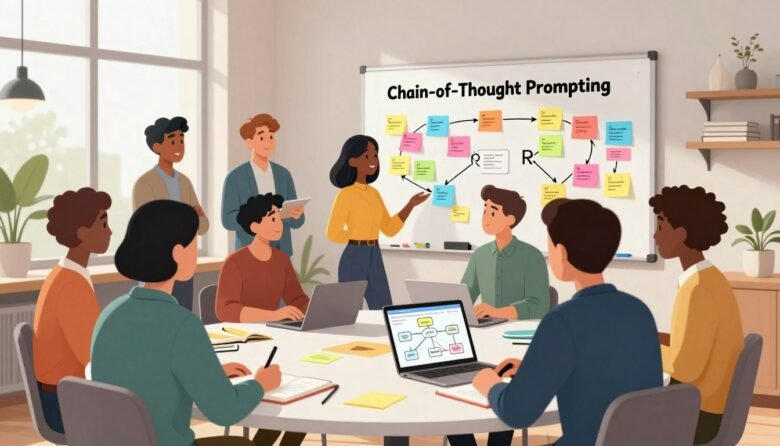
You get paged at 2 a.m.: an LLM-backed agent just approved a refund that violates policy. The postmortem shows the model skipped a constraint mid-generation and returned a confident but incorrect result. Your goal is narrow and technical: make the model allocate tokens to structured reasoning so multi-step checks stop collapsing into plausible nonsense. You …
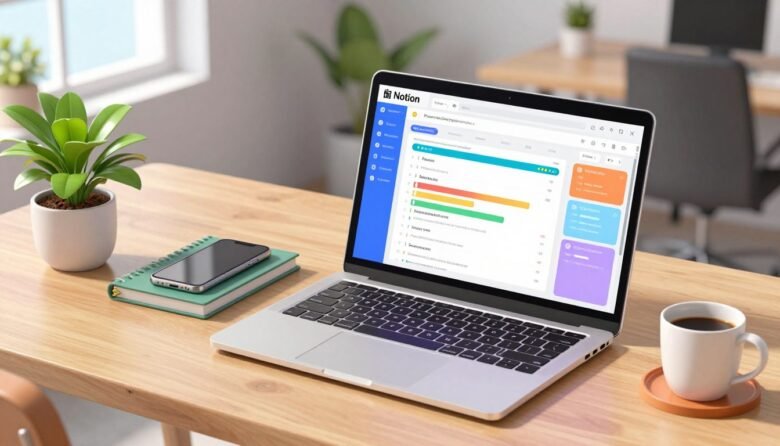
You merged a PR, then rollout stalls because an “oh by the way” decision lives in a Slack thread. Your tracker still shows “In Progress” from two weeks ago and no one knows why. This guide isn’t a basics walkthrough. You will build a tracker that survives PRs, hotfixes, on-call pages, and async decisions. The …

You merge a PR. CI is green. Linters passed. Approvals come fast. Two days later you roll back a production bug that was obvious in the diff. This is the real problem: reviewers skim, comments collapse into “looks fine,” and the root cause is intent or edge cases, not formatting. You need a structured check …

You are midway through a security review before a release. The assistant drifts into style refactors and you lose time steering it back to threat models and patch scope. That exact friction kills velocity and raises review cycles. The premise is simple: you do not need smarter output. You need predictable output that you can …
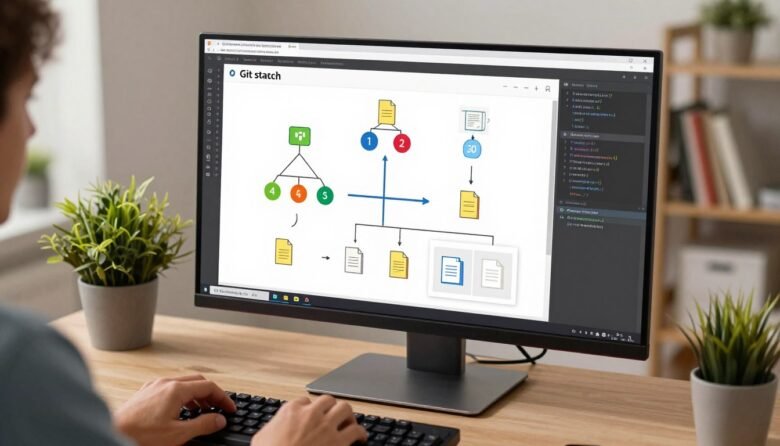
You are mid-refactor, half the tests are red, prod alerts flash, and your working tree is dirty. You need a clean checkout in minutes without losing your changes. This happened to me during a releases sprint and I learned to treat stash as a sharp tool, not a comfort blanket. This short guide promises five …

You drop your “code review” prompt from last quarter into a fresh repo. It starts hallucinating module layouts, misses the main issues, and spits output your CI cannot parse. That scenario cost me an afternoon and a rollout last year. You don’t need vague “better” prompts. You need prompts that behave like code: parameterized, versioned, …

You open a clean PR, reviewers sign off, and after merge the site is down. You promised you ran tests locally, but the merge proved otherwise. That familiar failure is the starting point for this guide. This article guides you toward merges you can trust. “Green” must mean real gates: tests and lint block a …